
The 18 ethnic groups of Madagascar
Updated: Aug 15
Madagascar: una identidad cultural rica en diversidad

La población malgache, descendiente de navegantes de Malasia y Polinesia que llegaron hace 2,000 años, está compuesta por 18 comunidades étnicas. Este rico mosaico cultural es el resultado de migraciones históricas desde África, Asia e India. Cada grupo étnico mantiene sus propias tradiciones y costumbres, pero existe una notable mezcla y coexistencia pacífica basada en el respeto mutuo.
La diversidad cultural malgache se refleja en sus lenguas, costumbres y formas de vida. Estas han evolucionado con la modernidad, pero mantienen fuertes raíces tradicionales, especialmente en eventos familiares y ceremonias. Los visitantes son bienvenidos a explorar estas tradiciones, siempre respetando las costumbres locales, particularmente en sitios sagrados. A continuación, presentamos los diferentes grupos étnicos.
LOS GRUPOS ÉTNICOS DE MADAGASCAR
Los Bara
Los Bara, un grupo étnico bantú del centro-sur de Madagascar, son conocidos como pastores nómadas y guerreros. Habitan el árido Gran Sur, un territorio limitado por el río Mangoky y que abarca el macizo de Isalo y la meseta de Horombe. Descendientes de los africanos Rabiby, valoran profundamente sus rebaños de cebú, símbolo de prosperidad y orgullo. Defienden ferozmente su independencia. Sus tradiciones incluyen el asalto de cebús como prueba de valentía, el Ringa como forma de entrenamiento de combate y la adoración a los ancestros, con ceremonias como el Famadihana y entierros en sitios sagrados y fady. A pesar del paso del tiempo, los Bara mantienen una fuerte conexión con su entorno y su rica identidad cultural.

Los Sihanaka
Los Sihanaka, un grupo étnico del noreste de Madagascar en la región del lago Alaotra, son reconocidos como agricultores hábiles, especialmente en el cultivo de arroz. Su territorio es el mayor productor de arroz del país. Su cultura está profundamente arraigada en rituales agrícolas y ceremonias ancestrales, como el Sarabe para bendecir la temporada de lluvias y el Volam-bita, que implica sacrificios de cebú y celebraciones comunitarias. Practican la adoración a los ancestros, preservando tumbas sagradas y tradiciones como la circuncisión ritual después de que un niño es pasado por encima de la cabeza de un cebú. También destacan en la pesca, la ganadería y la producción de cultivos como maíz y mandioca. Sus casas, que antes se construían en áreas bajas, ahora están situadas en colinas cerca del lago. Las festividades principales tienen lugar entre junio y septiembre, marcando la culminación de su vida cultural y agrícola.

Los Tsimihety
Los Tsimihety, un grupo étnico del noroeste de Madagascar, son conocidos por su resistencia histórica a la dominación externa y su autonomía cultural. Su nombre significa "los que no se cortan el cabello", debido a una tradición de independencia tras la muerte de un rey. Han sido influenciados por grupos vecinos, lo que se refleja en su dialecto mixto y prácticas compartidas como la circuncisión y la adoración a los ancestros. Principalmente son agricultores de arroz y ganaderos, además de comerciar tabaco, frutas cítricas y otros productos.
Su cultura incluye rituales como el "tromba", un trance espiritual, y canciones tradicionales como el "Kôro". También participan en actividades como la apicultura, el cultivo de raíces y el trabajo con fibras naturales.
Los Merina
El grupo étnico mayoritario es el Merina, que representa aproximadamente el 26% de la población. Este grupo, originario de las tierras altas del norte, ocupa la mayoría de los puestos políticos importantes en el país. Los Merina son descendientes de raíces malayas e indonesias. Se asentaron inicialmente en los fértiles valles de los ríos Sisaony e Ikopa. Bajo el reinado de Andrianjaka, se expandieron rápidamente, formando un gran reino cuyo capital fue inicialmente conocido como "Imerina Ambaniandro" y más tarde como "Antananarivo", la ciudad de los mil.
Como el grupo étnico dominante en la isla, los Merina han dejado una huella significativa en la historia del país. Han llevado a cabo numerosas expediciones a lo largo de Madagascar y han abierto sus fronteras a extranjeros para el intercambio de conocimientos y apoyo en sus conquistas. Practican la adoración a los ancestros a través de rituales como el "Famadihana" (retorno de los muertos) y mantienen costumbres como la circuncisión y ceremonias de matrimonio tradicionales. Además, su sociedad está estructurada en tres castas: los nobles (Andriana), los plebeyos (Hova) y los esclavos (Mainty). Se dedican a la agricultura y la ganadería.

Los Sakalava
Los Sakalava, cuyo nombre significa "los de los grandes valles", ocupan la parte occidental de Madagascar, desde Tuléar en el sur hasta Sambirano en el norte. Este grupo cultural surgió en el siglo XVII de la unión de varios grupos étnicos, con migraciones desde el sureste de la isla. Fundada por un príncipe maroserana, su reino se dividió en Menabe y Boina, donde se preservan tradiciones como la adoración a los ancestros, el arte funerario con tumbas de madera decoradas y ceremonias como el Fitampoha (un baño de reliquias reales cada cinco años).
Además, practican la circuncisión ritual llamada savatse y mantienen costumbres en su vida diaria, como el uso de "lambahoany" en su vestimenta y actividades agrícolas y ganaderas centradas en cebús, arroz, maíz y yuca.

Los Mahafaly
El país de los Mahafaly, ubicado en el suroeste de Madagascar entre los ríos Menarandra y Onilahy, es una región semi-desértica rica en tradiciones. Históricamente organizados en clanes, los Mahafaly son conocidos por su adoración a los ancestros, donde el número de cebús sacrificados simboliza la importancia del fallecido. También practican el savatse (circuncisión) y son gobernados por hombres sabios llamados Zakan-draza.
Su modo de vida se basa en la agricultura y la ganadería, la artesanía (especialmente las tapicerías de Ampanihy) y la minería. La región, salpicada de aldeas tradicionales, también es un destino turístico gracias a sus reservas naturales, como Bezaha Mahafaly y Tsimanampetsotsa, que protegen una biodiversidad única.
Los Bezanozano
Los Bezanozano, conocidos como "los de las pequeñas trenzas", son un grupo étnico en Madagascar que habita principalmente Moramanga y la región del río Mangoro. Descendientes de los Vazimba, su cultura surgió de la mezcla con los Berahoraho entre los siglos X y XV, destacándose por sus distintivas trenzas llamadas "zanozano". Originalmente organizados en clanes independientes con aldeas fortificadas en colinas, su reino fue conquistado por los Merina en el siglo XIX tras sucesivas guerras. Mantienen tradiciones como rituales para mujeres embarazadas, ceremonias de aceptación de niños y postes sagrados "Tsikafana". Hoy en día, Moramanga es un centro agrícola y comercial dinámico, así como un destino clave para los visitantes del cercano Parque Nacional Andasibe-Mantadia.
Los Antemoro
Los Antemoro, asentados en el sureste de Madagascar, son un grupo étnico diverso influenciado por expediciones árabes, africanas, asiáticas e indias entre los siglos XIII y XVI. Se dividen en cuatro sub-etnicidades, siendo los Ampanabaka los más predominantes, y son conocidos por su maestría en la adivinación, la astrología y el guion Sorabe. Residen principalmente en la región de Vohipeno, famosa por sus vibrantes tradiciones, como el papel Antemoro decorado con flores secas y ceremonias ancestrales, que incluyen sacrificios rituales y celebraciones en diciembre. Su economía combina la agricultura, con cultivos como café, pimienta y lichis, con la producción artesanal de este papel único, preservando un legado cultural que incluye estrictas normas sociales y ceremonias tradicionales.
Los Betsimisaraka
Los Betsimisaraka, que significa "los inseparables", son un grupo étnico de la costa este de Madagascar. Se formaron como una confederación en los siglos XVII y XVIII bajo Ratsimilaho para resistir el comercio de esclavos europeo. Su territorio abarca 72,000 km², dividido en tres comunidades principales: Antavaratra (norte), Antatsimo (sur) y Varimo (centro), cada una con su propio idioma y cultura. Tradicionalmente sedentarios, se dedican a la pesca, la agricultura, la artesanía y la exportación de cultivos como clavos de olor, vainilla, café y lichis.
Su capital histórica fue Fénérive Est, que luego se trasladó a Tamatave debido a su puerto estratégico. Celebran costumbres como el "famadihana", un festival en honor a los muertos en noviembre, con danzas como el Dihy Telo y el To-Laza, una circuncisión colectiva entre junio y septiembre. Sus casas tradicionales están construidas con materiales vegetales, y el arroz es su alimento básico.
Los Betsileo
Los Betsileo, conocidos como "los invencibles muchos", son uno de los principales grupos étnicos de Madagascar, ubicados en las tierras altas del sur, en la región de Fianarantsoa. Descendientes de conquistadores indonesios y del pueblo indígena Vazimba, formaron cuatro reinos (Manandriana, Arindrano, Lalangina e Isandra) antes de ser conquistados por los Merina entre los siglos XVII y XVIII. Su sociedad estaba organizada en castas y dirigida por los "Ray aman-dreny", hombres sabios tradicionales que supervisaban rituales como la adoración a los ancestros y la circuncisión. Los Betsileo son renombrados por sus habilidades agrícolas, especialmente en el cultivo de arroz utilizando sistemas de riego avanzados, y por criar cebús, un símbolo de estatus social. Su cultura valora profundamente las tradiciones, celebraciones y prácticas como el "Famindrana", que honra a los fallecidos a través de rituales de exhumación y renovación.

Los Tanala
Los Tanala son un grupo étnico en Madagascar, ubicados en la región sureste de la isla, particularmente en Vatovavy-Fitovinany, entre los pueblos de Ikongo e Ifanadiana. Conocidos por su fuerte sentido de independencia, resistieron invasiones de otros grupos étnicos y utilizaron su entorno forestal para defenderse. Según las tradiciones orales, descienden de los Vazimba, un pueblo indígena. En el siglo XIX, repelieron intentos de conquista por parte de los Merina y hicieron un pacto con los franceses en 1898, dividiendo su territorio en tres reinos. Su cultura incluye rituales para nacimientos, matrimonios y funerales, destacando ceremonias como el "Mamoaka zaza", así como prácticas agrícolas, de caza y pesca. Viven en aldeas jerárquicas con casas construidas en acantilados y se distinguen por usar un sombrero redondo.
Los Antesaka
Los Antesaka, asentados en el sureste de Madagascar en el distrito de Vangaindrano, son un pueblo históricamente conocido por su destreza guerrera y conexión ancestral con los Sakalava. Su nombre significa "los de la tierra de los Sakalava", y aunque comparten tradiciones y un ancestro común, son culturalmente distintos. Practican la adoración a los ancestros a través de ceremonias de doble entierro y observan tabúes específicos, como evitar trabajar para otros o vivir con perros, que se consideran impuros. Polígamos y patriarcales, las mujeres no tienen derechos de herencia. Dedicados a la agricultura y la pesca, producen principalmente para la exportación y han diversificado sus actividades, como el transporte en pousse-pousse. Las circuncisiones entre junio y septiembre son eventos clave, acompañados de celebraciones comunitarias.

Los Antambahoaka
Los Antambahoaka, un pequeño grupo étnico de la región de Vatovavy-Fitovinany en la costa sureste de Madagascar, tienen una rica historia y tradiciones vivas que reflejan influencias árabes, africanas y orientales que datan del siglo X. Gobernados por un rey respetado como guardián de las costumbres, celebran el Sambatra cada siete años, un festival ritual de un mes que incluye danzas, festividades y una circuncisión colectiva, conmemorando los viajes de sus ancestros árabes.
Además, mantienen tabúes como el rechazo a los partos de gemelos, que ahora son dados en adopción. Para más información sobre el fady kambana, recomendamos ver el cortometraje documental Kambana.
Los Antefasy
Los Antefasy, uno de los 18 grupos étnicos de Madagascar, residen en el sureste de la isla, en la región de Farafangana. Este pueblo, cuya lengua y tradiciones están profundamente arraigadas, rastrea sus orígenes hasta Egipto, Polinesia y Malasia, y adoptó el Islam sin abandonar sus prácticas tradicionales. Históricamente, migraron desde el suroeste en el siglo XVI para escapar de conflictos tribales. Su vida diaria gira en torno a la pesca, la caza y la agricultura, incluyendo cultivos de exportación como café y clavos de olor. Son gobernados por ancianos y hombres sabios, y sus costumbres son evidentes en rituales funerarios y celebraciones como bodas y circuncisiones. Su comercio se realiza por carretera, ya que el puerto de Farafangana ha perdido importancia.
Los Antanosy
Los Antanosy, un grupo étnico en Madagascar asentado en la región de Fort-Dauphin (Tolagnaro), son conocidos por su destreza guerrera y ricas tradiciones culturales. Históricamente, enfrentaron tensiones con colonos portugueses tras el secuestro del hijo menor del rey Andriantsiambany en 1643, pero estas disminuyeron con la llegada de los franceses y el regreso del príncipe al trono. A pesar de su desconfianza hacia los forasteros, los Antanosy han mantenido sus tradiciones, como la adoración a los ancestros, que incluye entierros colectivos y la erección de piedras conmemorativas. También practican "Bilo", un ritual de posesión espiritual utilizado para sanar o resolver problemas. Reconocidos por sus habilidades como pescadores y artesanos, celebran cada año la "Feria Oramena", un festival en honor a la langosta, mientras que las mujeres destacan en el tejido y el cultivo de alimentos básicos como arroz y mandioca.
Los Antandroy
Los Antandroy son un pueblo pastoral nómada que habita en el sur de Madagascar, en una de las regiones más secas de la isla, conocida como Androy. Se cree que tienen orígenes árabes, judíos e indo-pakistaníes, pero su identidad está profundamente arraigada en una austera cultura pastoral. Hablan un dialecto malayo-polinesio y mantienen tradiciones ancestrales, como un culto a la muerte en el que el cebú (una criatura mítica) juega un papel central. Los Antandroy son conocidos por su destreza en la guerra y la adivinación, y las tumbas de los muertos, especialmente las de la realeza, pueden ser muy grandes y ornamentadas. Su economía se basa principalmente en la ganadería, aunque algunos también se dedican a la minería de zafiros y al tatuaje. La escasez de agua limita la agricultura, y el mercado en Ambovombe es un importante centro para el intercambio de bienes locales.

Los Antakarana
Los Antakarana son un grupo étnico que habita en el norte de Madagascar, principalmente entre Ambilobe y el Cabo Ambre, en el macizo de Tsingy. Originalmente migraron desde la región de Sakalava en el siglo XVII, buscando refugio en las formaciones rocosas y cuevas de la zona. A pesar de las tensiones internas y los conflictos con grupos étnicos vecinos, los Antakarana mantienen una fuerte unidad centrada en sus tradiciones y el respeto por sus ancestros. Uno de sus rituales más importantes es el "Tsangantsaigny", una ceremonia que se celebra cada cinco años, durante la cual se erige un palo real, acompañado de danzas y festividades, incluida una circuncisión colectiva. La práctica de la adoración a los ancestros, "Tsakafara", también es significativa. En su vida diaria, el palo real es un símbolo de poder y justicia, y sus principales actividades económicas son la pesca y la ganadería.
Los Vezo
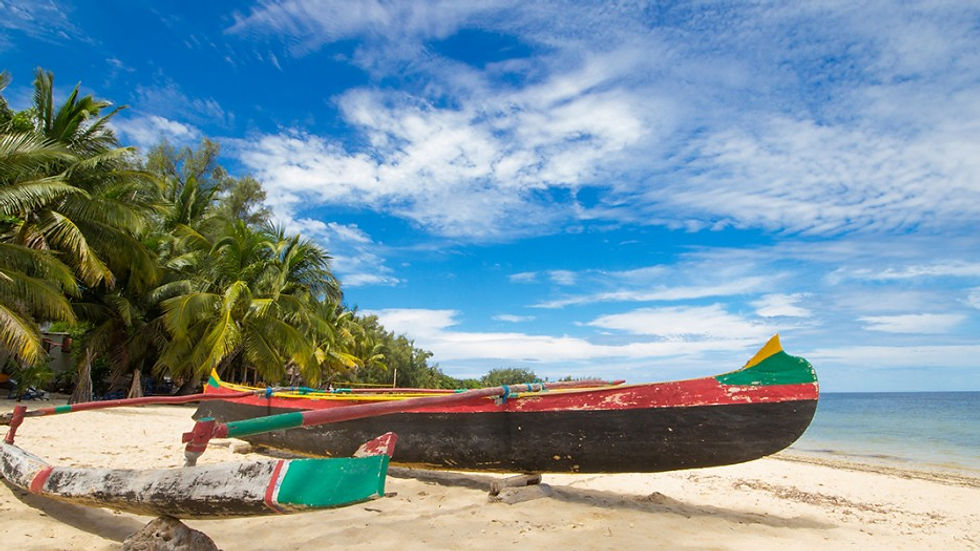
Los Vezo son un pueblo pesquero nómada que habita la costa suroeste de Gran Isla, especialmente entre Toliara y Morombe, aunque su población también se extiende desde Androka hasta Majunga. Tradicionalmente, dependían exclusivamente de la pesca, capturando tiburones, tortugas marinas, peces y mariscos. Su conexión con el mar es tan profunda que lo consideran su madre, y solo pescan lo que necesitan para alimentarse. Realizan rituales antes de consumir tortugas y siguen estrictas reglas en sus prácticas funerarias. A pesar de su estilo de vida semi-nómada, los Vezo enfrentan la sobreexplotación de los recursos marinos, y por lo tanto, están cambiando hacia una forma de vida más sedentaria. Durante la temporada baja, migran a islas cercanas para pescar y sobrevivir utilizando diversas técnicas, incluida la pesca desde la costa y el uso de piraguas (pequeños botes de pesca) que fabrican ellos mismos.
Los Mikea
Los Mikea, en lugar de ser un grupo étnico independiente, son un grupo socioeconómico compuesto por familias y clanes que provienen de comunidades más grandes, como los Vezos y Masikoros. Adoptaron un estilo de vida nómada para preservar su independencia frente a la invasión Merina y la colonización francesa. Residen en el Bosque Mikea, en la costa suroeste de la isla, donde combinan la caza, la recolección y la agricultura itinerante.
Su vida espiritual gira en torno a la adoración a los ancestros, con prácticas como danzas de trance y canciones para comunicarse con ellos, así como creencias en espíritus del bosque. Viven en campamentos familiares con una organización social igualitaria. Aunque están culturalmente relacionados con los Vezo y Masikoro, su fuerte dependencia del bosque y su forma de vida los distinguen.

Económicamente, dependen de la recolección de tubérculos, la caza de pequeños animales, la pesca y el cultivo estacional de maíz. También trabajan por salarios para obtener bienes o dinero. Sin embargo, enfrentan amenazas como la deforestación, la falta de acceso a servicios básicos (educación y salud) y problemas de salud, que ponen en peligro su cultura y su entorno.
Las iniciativas que promueven el turismo sostenible buscan proteger el bosque Mikea y el modo de vida de esta comunidad, demostrando al gobierno la importancia de conservar este patrimonio único. A pesar de los desafíos, los Mikea son un símbolo de resiliencia y una profunda conexión con su entorno natural.
Madagascar ofrece una experiencia auténtica y conmovedora para quienes desean sumergirse en la vida diaria de sus grupos étnicos, preservando una riqueza cultural única que es parte integral de su identidad. Baobab Travels te invita a explorar estas tradiciones, siempre respetando las costumbres locales.


Comments